Kaiseki & Soil: Decoding Seasonal Rituals in Ancient Kyoto
In the northern precincts of Kamigamo, fourth-generation farmers harvest winter turnips under twilight mist, destined for clay pot broths that bridge five hundred years of culinary ritual.
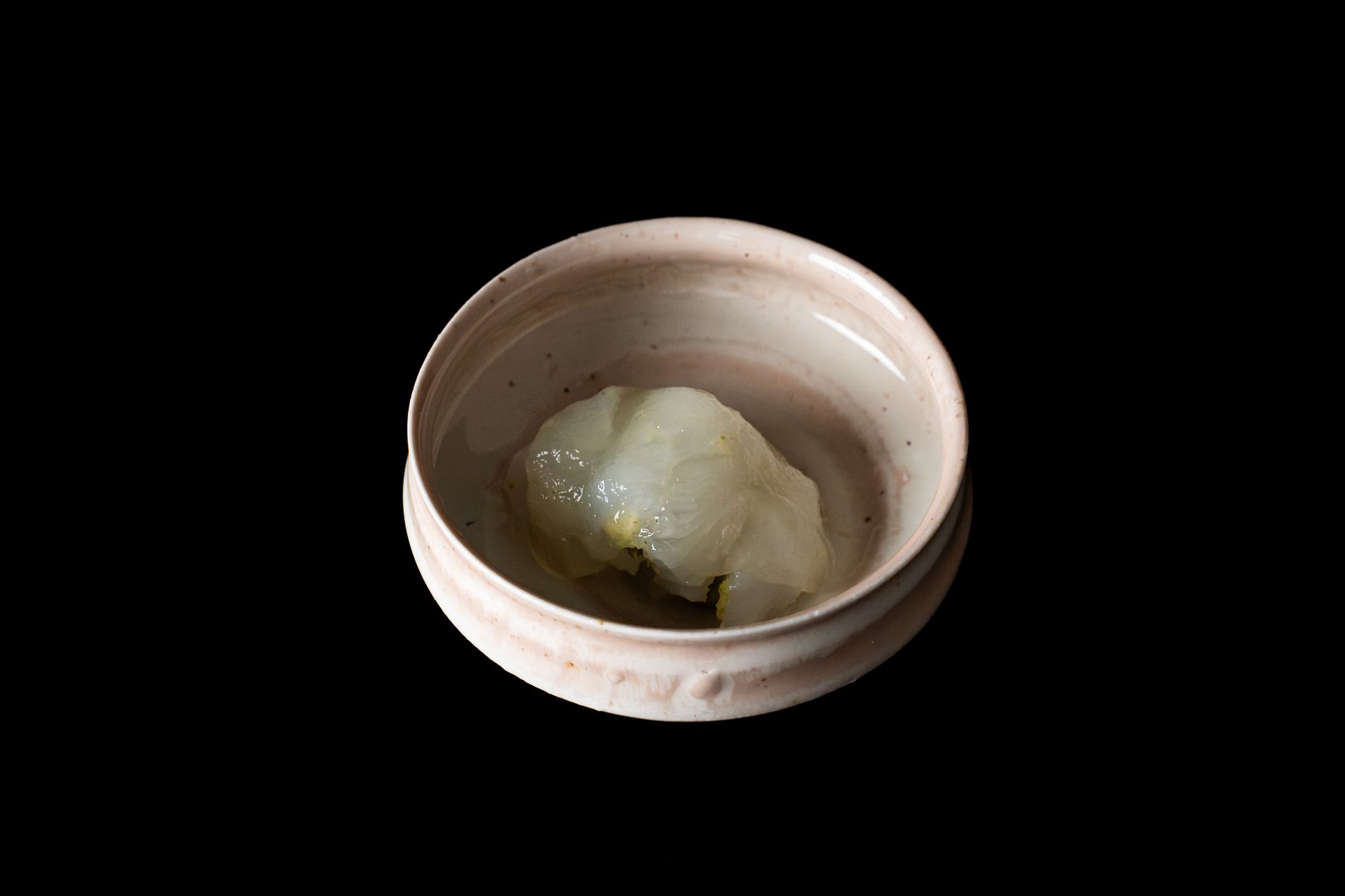
Table of Contents
The morning chill in Kyoto settles low across the riverbanks of the Kamo. While tourists flock to Gion in the midday sun, the authentic life of Kyoto's culinary artisans begins before dawn in the frost-covered fields of Kamigamo. Here, the heirloom cultivars known as Kyo-yasai—radishes shaped like river stones, slender mountain burdock, and delicate scallions—are gently coaxed from volcanic loam enriched by pure subterranean springs.
1. The Kyo-yasai Terroir
Unlike modern commercial vegetables bred for uniformity and sugar content, Kyoto's ancient seeds yield distinct, mineral bitterness and dense textures capable of withstanding prolonged simmering without collapsing. Each turnip is wiped clean with soft well water, never scrubbed with harsh bristles, preserving the micro-terroir clinging to its skin.
2. Water and the Architecture of Dashi
At an eight-seat counter hidden behind a plain indigo noren in Nakagyo-ku, Chef Minoru demonstrates the preparation of the opening broth. Soft well water drawn that morning from forty meters underground is brought to precisely sixty degrees Celsius. Aged ma-kombu from Rebun Island is steeped for one hour, releasing glutamic sweetness before being briefly united with shaved katsuobushi.
"Good dashi is not soup. It is an acoustic tuning fork for the palate, cleansing the residual chatter of the street so that the natural sugar of winter turnip can be heard."
3. The Ceramic Vessel as Seasonal Canvas
Every dish served in a traditional kaiseki sequence is inextricably bound to its vessel. A cracked Oribe glaze carrying green moss hues indicates late autumn, while unglazed Bizen stoneware warmed with river water welcomes the deep winter. The guest's tactile contact with the rim of the bowl is as central to the meal as the temperature of the broth itself.
4. Experiencing the Counter in Solitude
Dine alone when possible. Solo attendance removes the distraction of social performance, allowing the rhythmic sound of the chef's knife upon cypress boards and the rise of steam to assume center stage.
Curate Your Japanese Culinary Itinerary
Inquire about our private access partnerships with historic ryokans and tea masters throughout Kansai.
Inquire with Concierge