The Philosophy of Light Packing: Navigating Seven Climates with One Bag
The weight of your bag is a direct mirror of your anxieties. Shedding superfluous possessions unlocks agility, spontaneous route changes, and a clearer eye for the horizon.
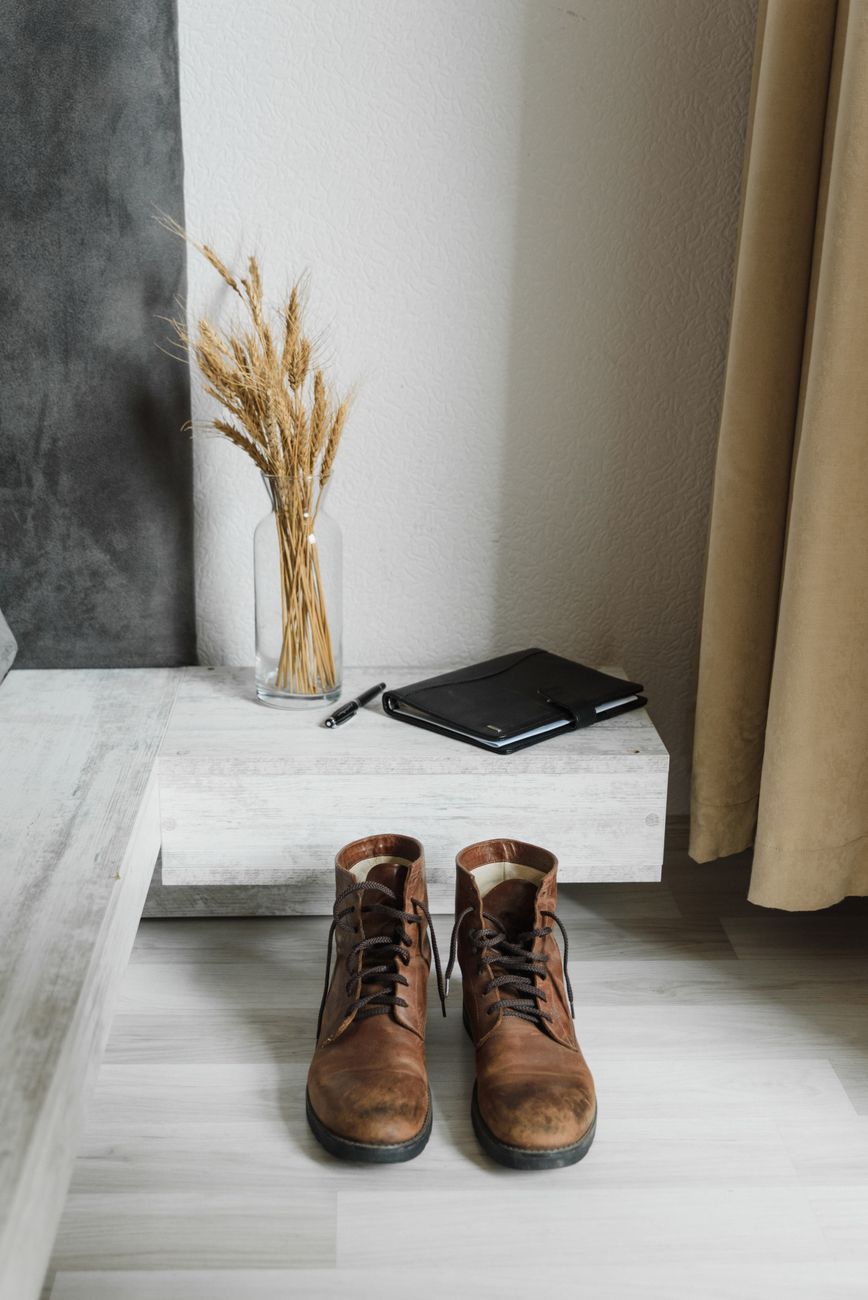
Table of Contents
Most travelers pack for hypothetical crises rather than actual days. They imagine sudden formal dinners in remote fishing ports, extreme downpours requiring triple-laminated storm gear, and electrical failures requiring backup power banks. The consequence is twenty kilograms of dead weight dragged over cobblestones, through tight sleeper cabins, and up mountain stairs.
1. The Psychology of Redundancy
When you step off a propeller aircraft in Coyhaique or disembark a regional ferry in the Cyclades with only a single shoulder duffel, your relationship with the terrain shifts instantaneously. You do not need to wait beside baggage carousels. You do not need private taxis solely to move cargo. You become a participant rather than a freight hauler.
"To travel light is to place faith in the world's hospitality. Whatever emergency arises can almost invariably be resolved with local ingenuity and ten words of the local tongue."
2. The Hierarchy of Natural Fibers
Synthetic performance fabrics often trap odor, crinkle noisily, and look conspicuously out of place in historic dining rooms. The veteran traveler relies instead on an ancient trio of fibers: high-micron merino wool, heavy unbleached linen, and waxed organic cotton. Merino breathes in the tropics, insulates when damp in the highlands, and can be worn for weeks without laundering.
3. Durable Hardware over Technical Clutter
A single brass mechanical pencil, a bound linen notebook, an unlocked pocket knife, and one universal adaptor suffice for four months on the road. Digital devices should be pruned ruthlessly: one camera body with a fixed 35mm prime lens invites deeper photographic discipline than three zoom lenses.
4. The 30-Liter Blueprint
- One unlined wool jacket suitable for chilly trains and evening meals.
- Two linen field shirts and three lightweight merino undershirts.
- One pair of selvedge canvas trousers and one pair of wool travel trousers.
- Good Goodyear-welted leather boots that have been broken in for at least six months.
- A compact wool blanket that doubles as a pillow or scarf.
Consult on Expedition Preparation
Our advisory desk provides comprehensive equipment and route briefings customized to your destination climate.
Inquire with Concierge